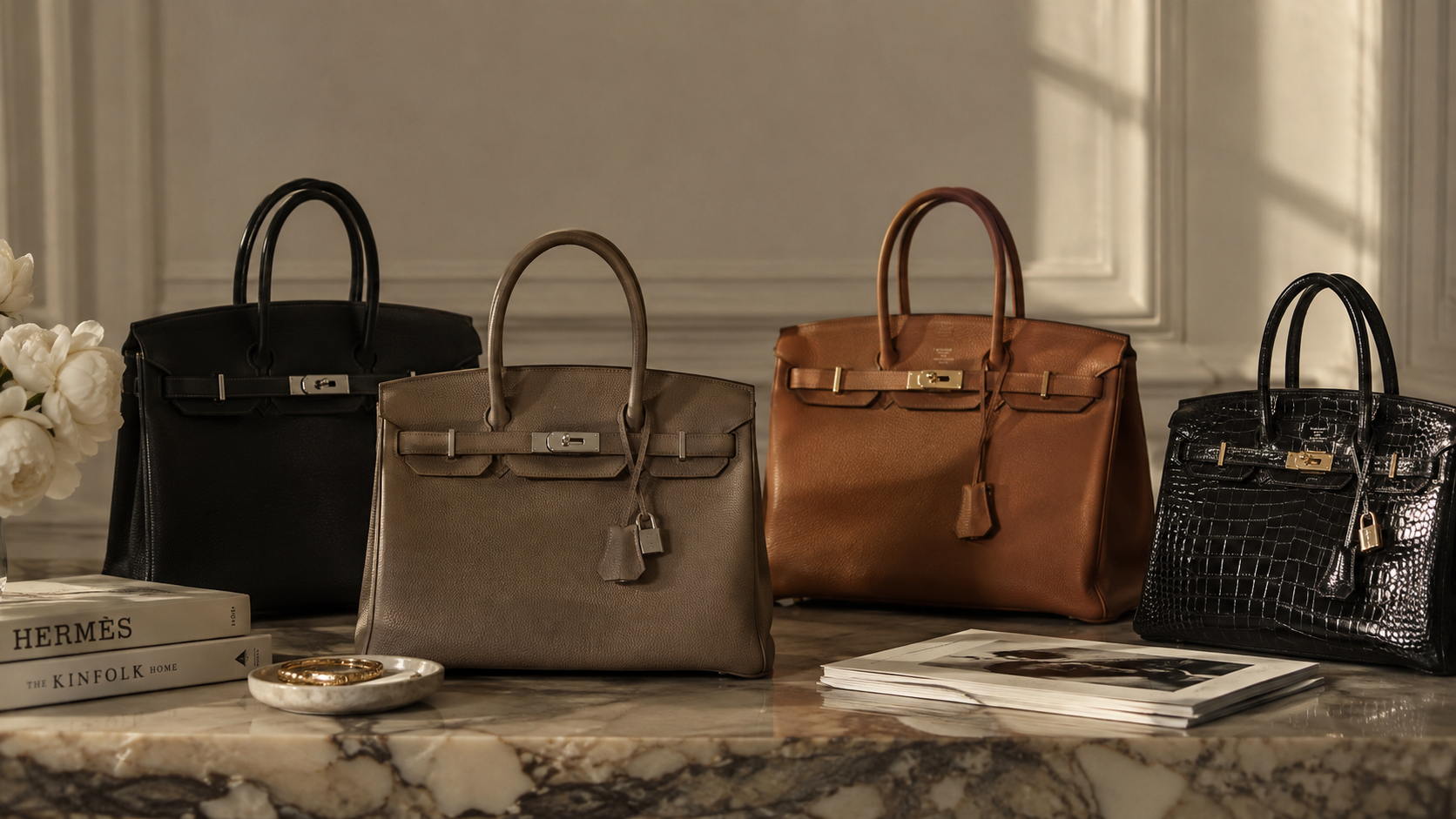
A Los Angeles Bel Air mansion with a private spa is a matter of paperwork. So is a Morozko Forge ice bath to do your daily cold plunge in, a superyacht to park in Monaco during the Grand Prix, or a €280 Trudon scented candle that smells like cedar smoke in a private library. Money is very good at this.
It has been long said that money can’t buy happiness or peace of mind, but that usually just means you don’t know where to shop. There is, however, one thing an eight-figure fortune cannot guarantee. Not immediately, anyway.
A handbag. Not just any handbag, but the Birkin.
Welcome to the world of Hermès.
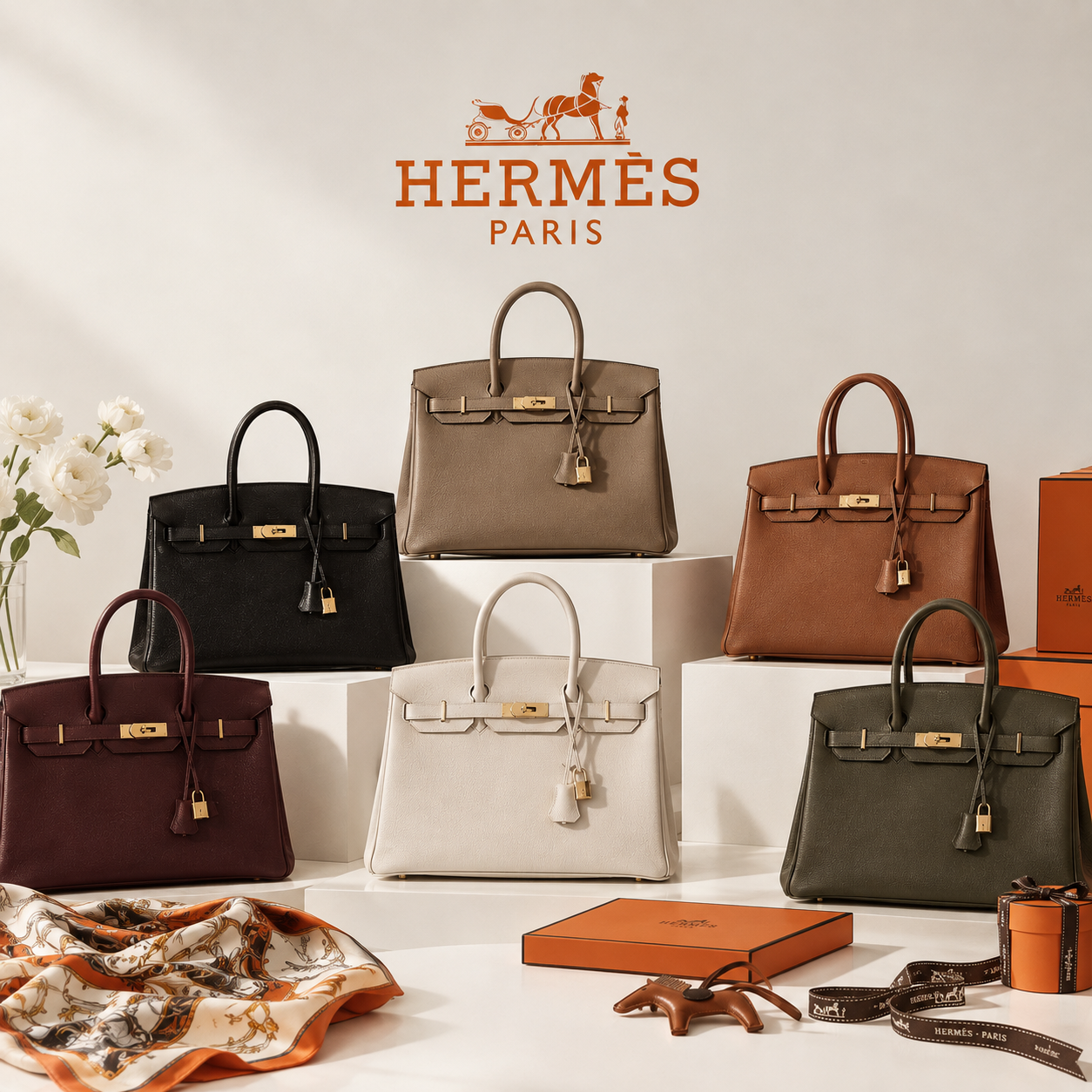
The Bag Nobody Can Just Buy
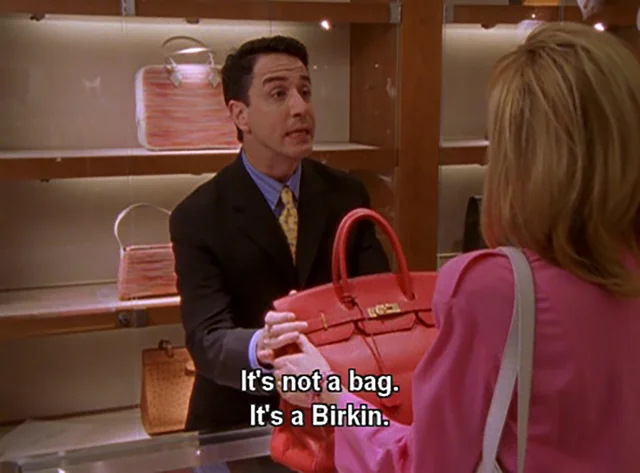
Most retail operates on an age-old arrangement: you see something, you want something, you have the cash, and you walk out with the merchandise. Hermès took one look at that pedestrian transaction and decided it was far beneath them.
The Birkin is famous not simply for its hand-stitched Taurillon Clémence or Barénia calfskin, but for how painfully difficult it is to acquire one. The thrill of the chase became the product.
The irony is that the people doing the chasing are not short on options. They could buy a Ferrari before lunch and close on a penthouse overlooking Central Park by dinner, with enough liquidity left to buy out the brick, mortar, and salaries of everyone inside the Hermès salon on a whim. Yet when they step inside the boutique, they are met by a store associate with quiet indifference who says: oh, we’ll see about that.
The Rich Person Hunger Games
You don’t walk into a boutique to buy a Birkin; you show up to prove you deserve to pay for one.
To improve their chances of being offered certain Birkin bags at retail, clients often cultivate a relationship with a sales associate and build what insiders call a purchase history. Hermès has long maintained that nothing of the sort is required, but ask anyone who has been through it and the lore tells a different story. It can mean spending thousands of dollars on almost everything Hermès has to offer except the bag you actually came for.
You begin with the smaller tokens: a pair of silk twillies, a cashmere Avalon throw blanket, or perhaps equestrian saddle soap and stirrup charms you neither have a horse for nor any intention of buying one for. Then you graduate to the porcelain. You find yourself browsing bone china tea sets from the Passifolia or Bleus d’Ailleurs collections, spending four figures on dessert plates just to prove you appreciate the maison’s heritage.
Imagine explaining to your grandmother that you bought €6,000 worth of decorative soup tureens for your dinner parties solely to qualify for the privilege of spending €20,000 more on a handbag. She would suggest you take a long walk in the park and rethink your life choices.
It is objectively ridiculous, but nobody can deny how clever it is. Once you are in, you find yourself sifting through the catalog for the right shade: Craie (a soft chalk white) or Gold? Togo (pebbled and soft) or Epsom (lighter and embossed) leather? The right palladium or brushed gold hardware? Maybe you even secretly pivot to the Kelly 25 or a Constance. Alongside the Birkin, they make up the Holy Trinity of Hermès, often abbreviated as BKC.
Few have the patience for the long game, but plenty of people with an American Express Centurion black card do. Once the associate finally leads you into a private salon behind the curtains with a discreet orange box, that is the moment you convince yourself you’ve genuinely made it in life.
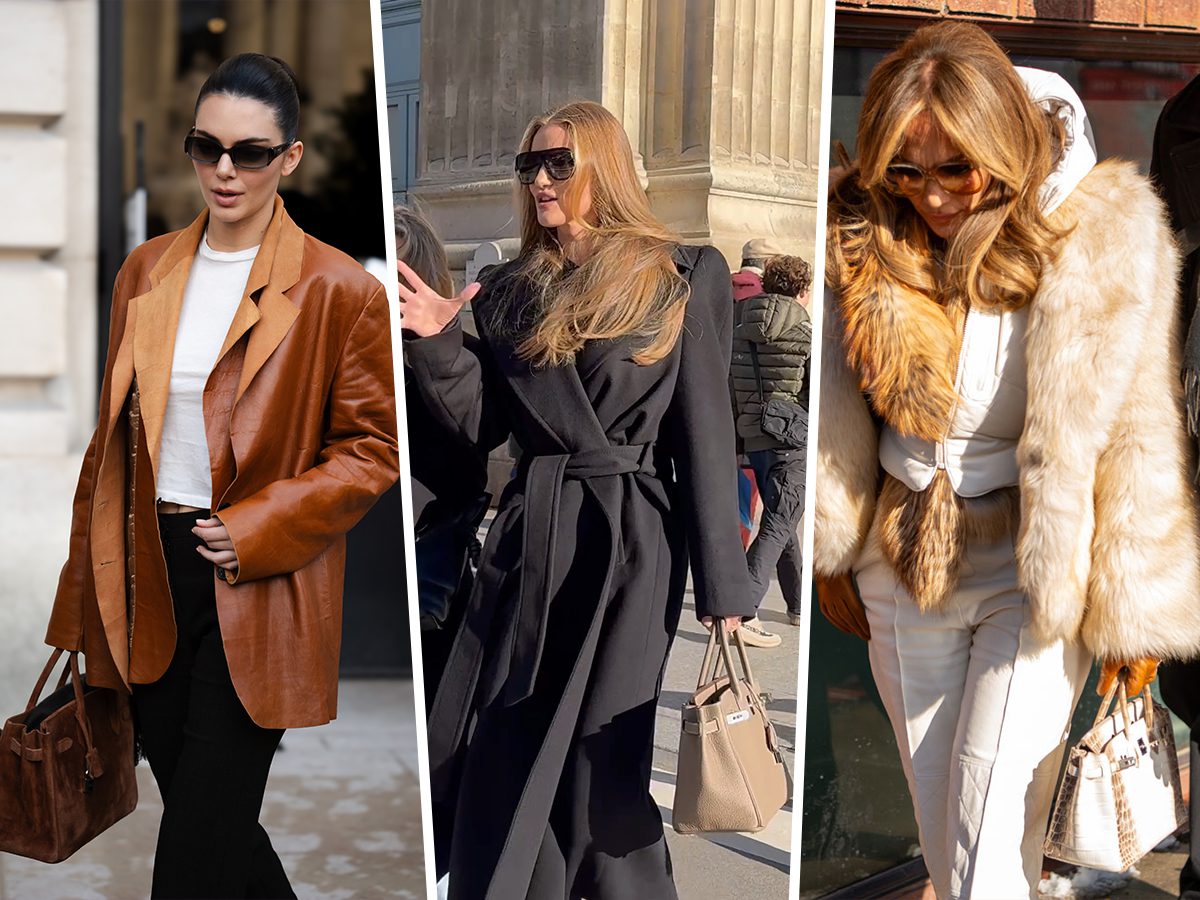
Everyone walks out happy, as long as they are photographed with a Birkin.
From Saddles to Stitches
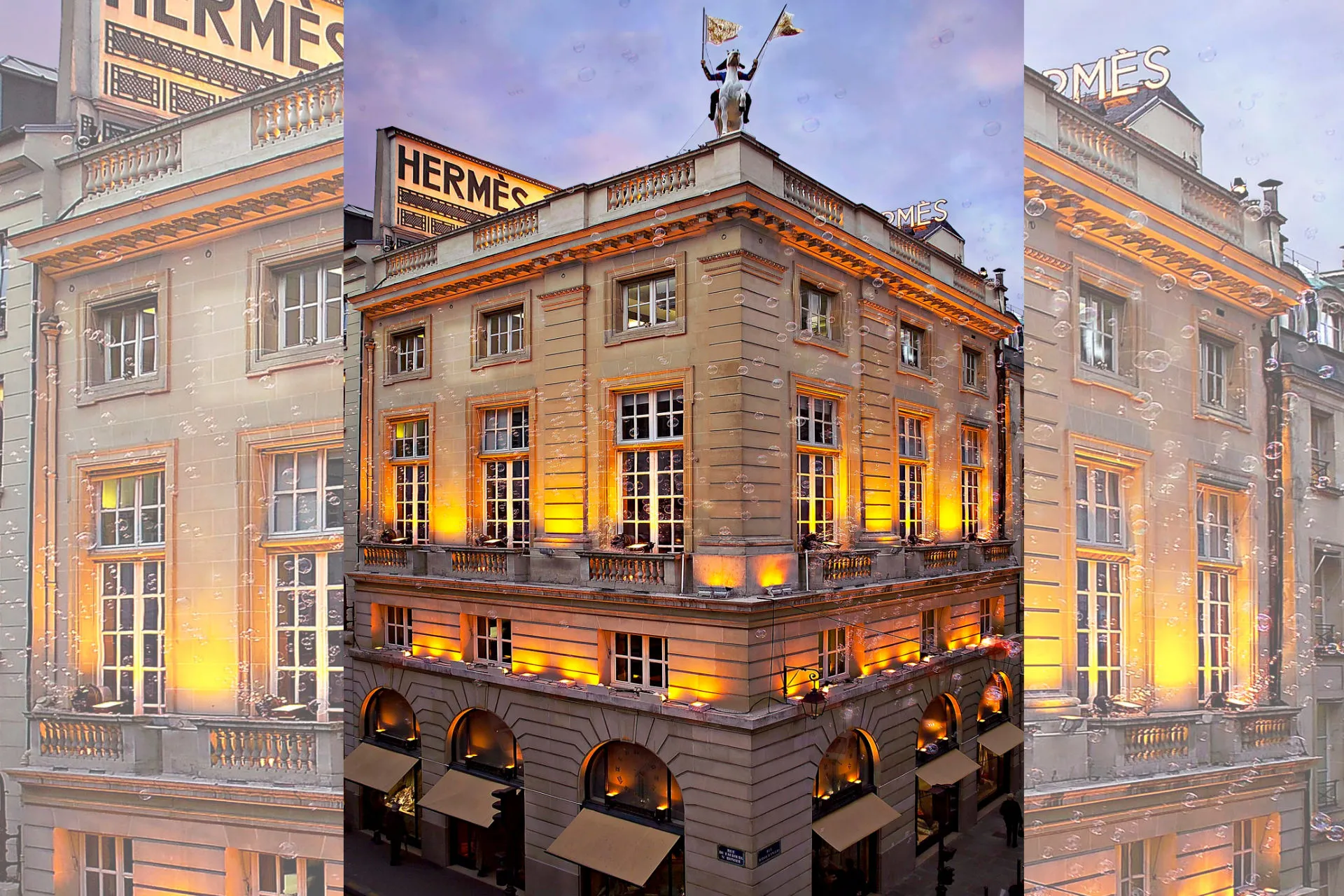
Long before Hermès was gatekeeping handbags, it was catering to actual horses. In 1837, Thierry Hermès, a humble harness-maker, opened a small workshop in Paris, stitching saddles and premium bridles for the city's carriage-riding aristocrats, which explains the craftsmanship. For nearly two centuries, the Parisian maison has quietly perfected a much older tradition: the belief that capital alone does not entitle anyone to good taste.
Everywhere else in luxury, money talks. At Hermès, the transaction is governed by pure Parisian laissez-faire indifference. The house doesn’t run desperate marketing blitzes or beg for customers.
When you walk into the famous Rue du Faubourg Saint-Honoré store, the whole thing feels less like shopping and more like arriving somewhere you weren't invited, with the handbag boxes safely tucked out of your sight and the answers come with unusually little urgency. It has a way of humbling even multimillionaires, Cartier watch on the wrist and Bentley waiting at the curb notwithstanding.
The Story of the Legendary Jane Birkin
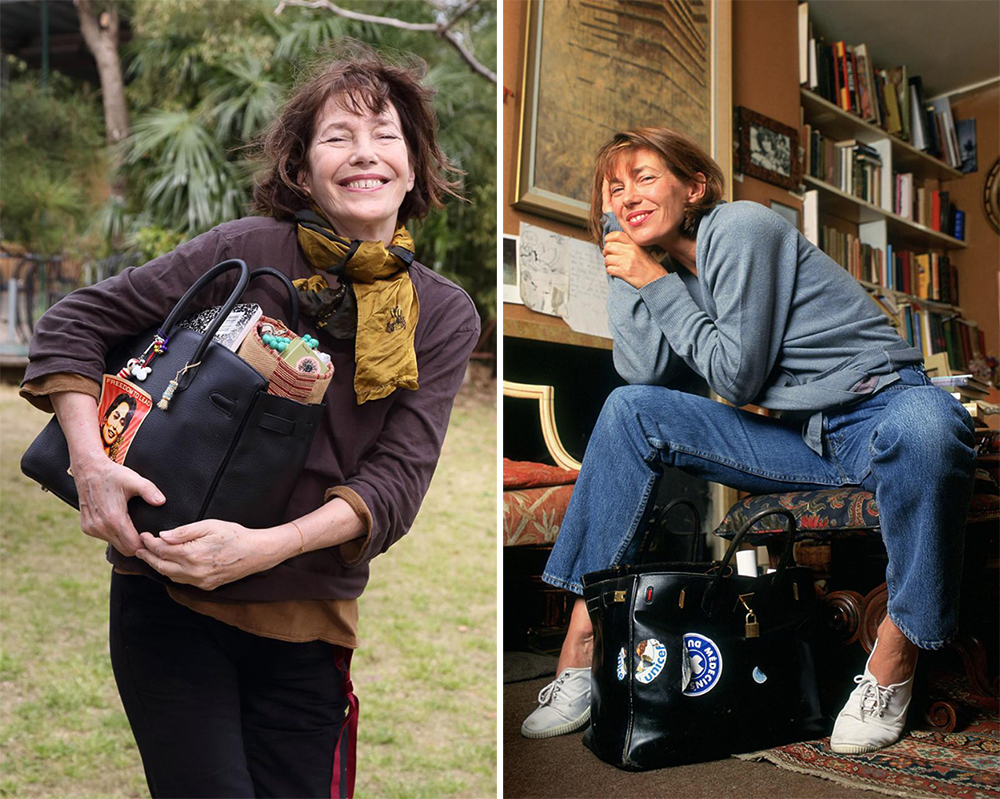
The Birkin mythology began with an accident at 30,000 feet. In 1984, Jane Birkin was on an Air France flight to London when she found herself sitting next to Jean-Louis Dumas, the chief executive of Hermès. Her trademark oversized wicker basket, packed to the brim with loose papers, diary entries, and baby gear, tipped over in the cabin overhead locker, sending the contents tumbling across the aisle and down onto Dumas’ lap.
As Dumas helped her collect her belongings, he teasingly suggested that what she really needed was a bag with interior pockets. Birkin apparently had a list of complaints ready to go. She told him that Hermès did not make the kind of oversized, practical leather bag she actually wanted. Something big enough for all her things, sturdy enough for travel, and easy enough to open without wrestling with a ridiculous amount of hardware.
So Dumas did what any reasonable luxury CEO would do. Right there at cruising altitude, he grabbed the barf bag from the seat pocket in front of him, uncapped a pen, and started sketching.
Birkin explained what she wanted: something bigger than the Kelly, practical enough for everyday life, with enough room for all the mess that comes with travelling with young children. Dumas sketched a spacious rectangular leather bag with a burnished flap, saddle stitching, and an interior pocket.
Hermès eventually produced the prototype, and Birkin agreed to let the house use her surname. She then proceeded to treat the resulting handbag like how all handbags should be treated. She crammed it until the seams strained. She decorated the handles with Amnesty International stickers, worry beads, and souvenir keychains. She set it down on rain-slicked Parisian pavements, which would send current Birkin owners to have an immediate coronary.
Decades later, collector culture has gone the other way. Modern Birkins live on custom shelving inside climate-controlled dressing rooms, wrapped in silk dustbags behind glass display cases to ensure they never encounter gravity.
Birkin's own bag was scuffed and lived-in. Today’s Birkins look as if they are waiting for an armed security detail to escort them to the auction block. Fittingly, the original Birkin prototype that launched the line, owned by Jane Birkin herself, did exactly that, selling at Sotheby’s Paris in July 2025 for a staggering $10.1 million.
The High-Fashion Stock Exchange
Some people buy gold. Some buy stocks. Some buy property. Some buy a Birkin and keep it in mint condition.
Depending on leather, colour, and condition, pristine Birkin 25s and 30s can trade on the secondary market for roughly $28,000 to $30,000 or more, often well above their original retail price, according to Sotheby’s. Rare colours, leathers, and exotic skins can go much higher.
Unlike most handbags, it can hold serious value. Some investments sit on Wall Street. This one sits on your arm.
The Birkin Bunch
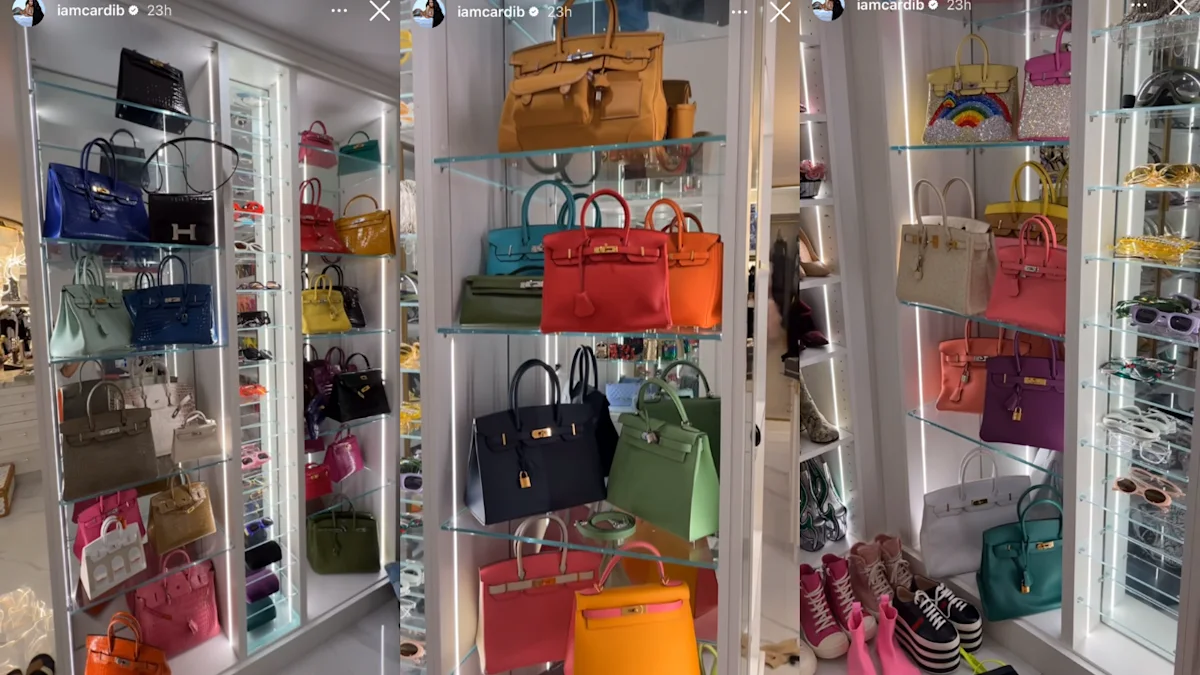
Victoria Beckham spent the mid-2000s treating airport terminals like runways, cycling through a legendary battalion of Birkins in neon pinks, glossy Porosus crocodile, and deep burgundy ostrich.
Kim Kardashian was gifted a tan Haut à Courroies hand-painted by contemporary artist George Condo, and has reportedly let her daughter North West use another Birkin as finger-painting paper. Cardi B arranges hers in a dedicated walk-in wardrobe, matching rare exotic skins to her sports cars, wigs, and manicures.
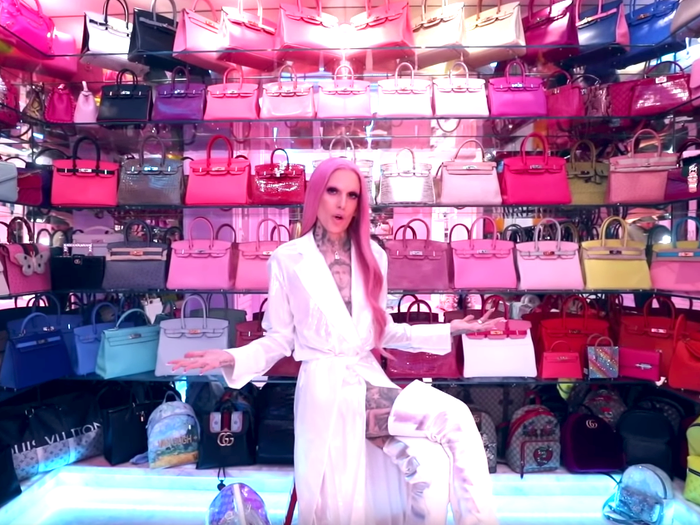
Drake has reportedly spent years collecting rare Birkins for the woman he ends up with, while beauty mogul Jeffree Star has shown off his multi-million-dollar rainbow of bags stored behind a literal bank-grade pink biometric vault door.
At the apex sits the elusive Diamond Himalayan Birkin, made from Niloticus crocodile dyed to resemble the gradients of a snow-capped mountain and finished with 18-karat white gold and pavé diamond. At auctions, it has been sold at Christie’s and Sotheby’s for well over $300,000. Collectors like Kylie Jenner, Kim Kardashian, and Nita Ambani have each been pictured with their own Himalaya Birkin, which puts them in a stratosphere where a handbag requires its own insurance policy.

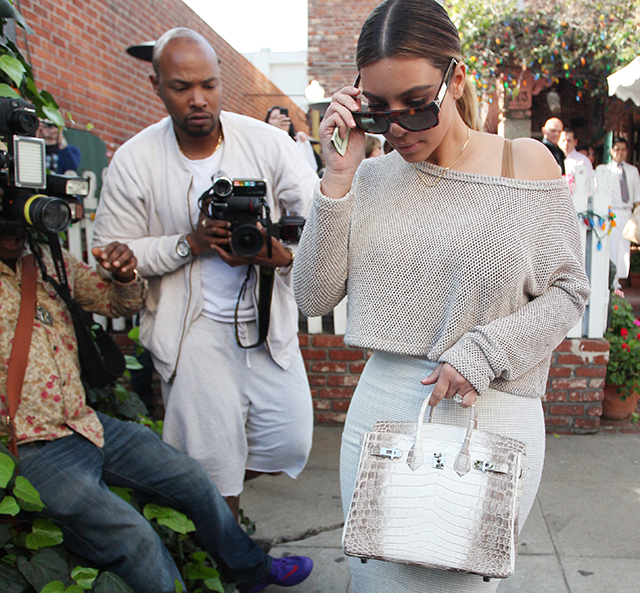

At that point, calling it a handbag feels a little too modest.
An Administrative Royalty
Strip away the yearning, the orange box, and the long, long waiting list, the silhouette is remarkably practical.
It looks a lot like a very expensive administrative briefcase. There is the structured flap, the sangles, the padlock, the clochette. No giant logo screaming across the front. No monogram covering every available centimetre. Yet everyone knows exactly which bag just walked into the room. It is the ultimate form of quiet luxury.
When you see it sitting across a restaurant banquette, you do not need to understand fashion to know that whoever put it there doesn’t work for a living; they hire the people who do.
The bag says something before its owner has said anything at all. It doesn’t just say: I have money. It says: I have the kind of money that has been approved by Hermès.
If you could walk into an Hermès boutique tomorrow, pull a Birkin off the shelf, and simply tap your card, would anyone still care?
Probably not. The genius of Hermès is that they never actually had to convince anyone to want one. They just let human nature do the heavy lifting. Someone else has the bag? You want it more. You finally get it? Congratulations. Now you’re looking at the next one.
From a Parisian saddle maker to the most coveted handbag in the world, Hermès somehow turned magical craftsmanship, scarcity, and a little human psychology into an object of all our desires.
The bag is just leather. The masterpiece is making the whole world beg, and thank you for it. Unfortunately, we all want one.
Editorial
You might also like
Why Does Every Expensive Kitchen Have a Bowl of Lemons?
A completely unnecessary investigation into luxury real estate's favorite kitchen decor

Breakfast of the Champions (and everyone else)
From Hailey Bieber's strawberry smoothie to Michael B. Jordan's two McMuffins, here's what breakfast in Hollywood actually looks like
Inside the Digital Atelier: How Luxury Fashion is being rewritten
Luxury fashion is entering the digital atelier, where AI, blockchain, and virtual fashion are reshaping how the world’s top maisons design and endure.